Vast schools of Atlantic herring spend the winter along the Norwegian coast — and with them come the whales. A rare opportunity to observe these giants of the sea up close.
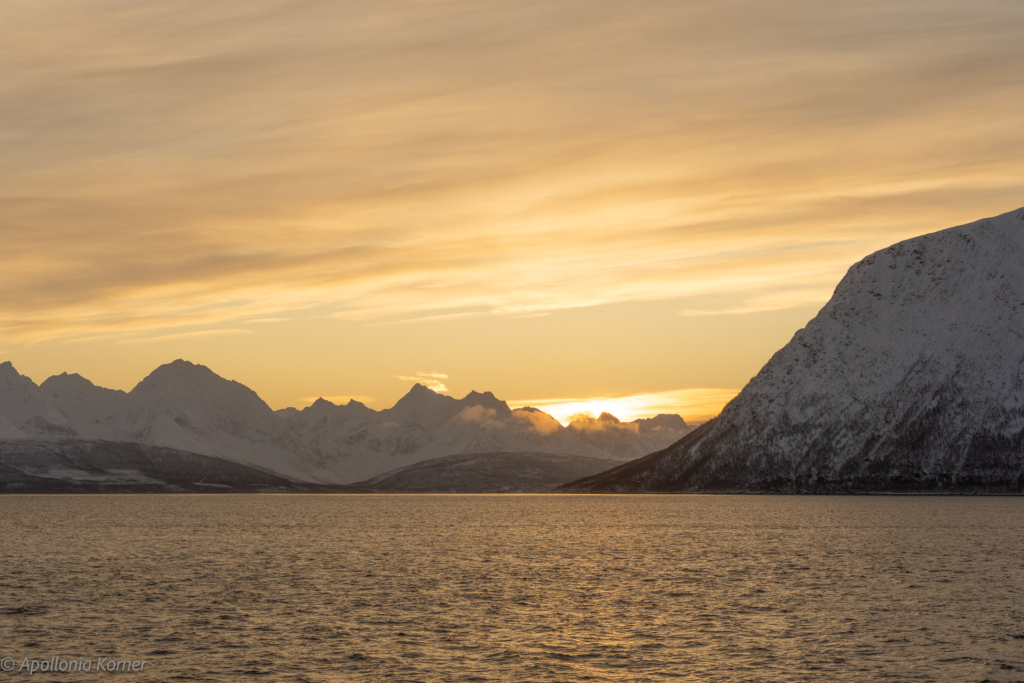
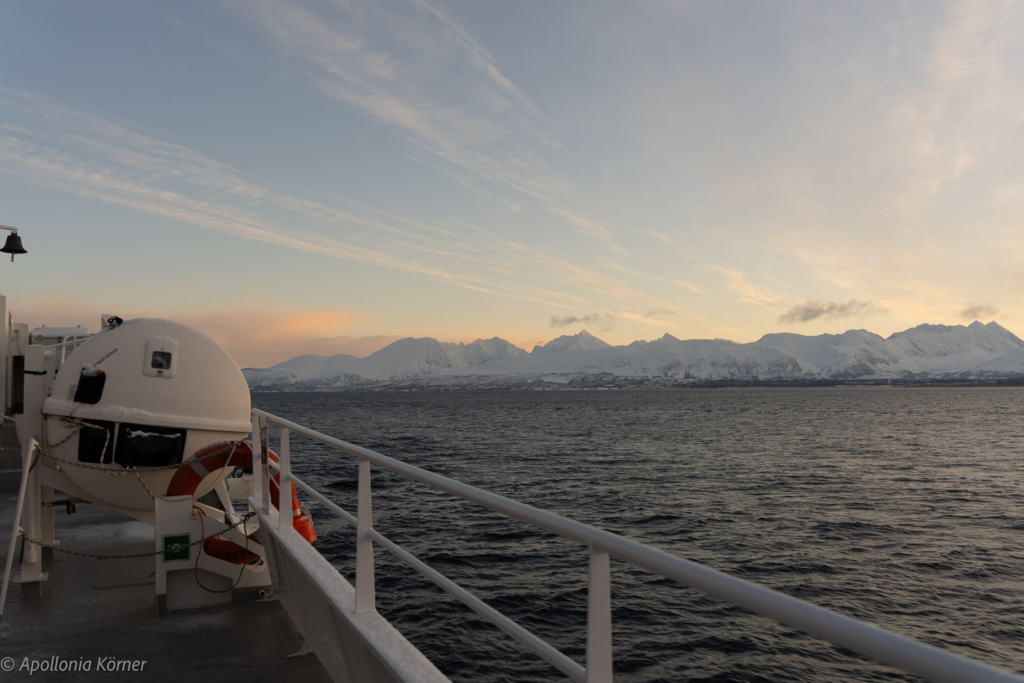
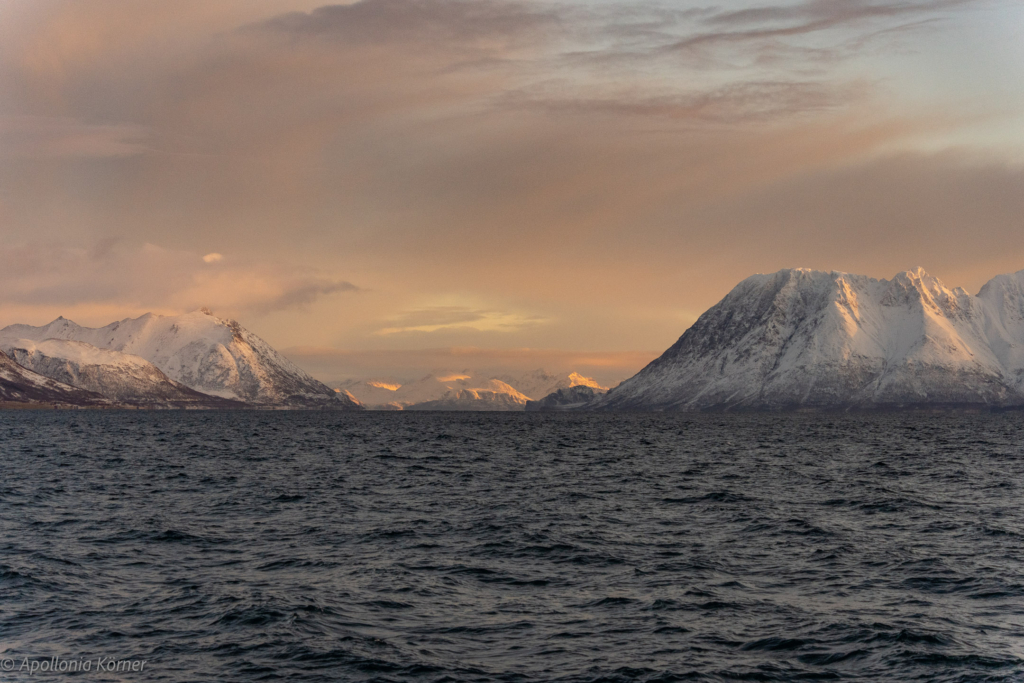
Even the boat trip along the wintry coastline outside Tromsø would have been a unique experience in itself. The gentle light of the sun, hanging low on the horizon, gave the cold winter landscape a warm touch; the temperatures were not yet too frosty, and the sea was calm and still that day. It was early November, and I wanted to witness a very special spectacle that can only be seen in winter along certain stretches of the Norwegian coast. That is why I had traveled to Tromsø early in the morning, in order to take a small boat northward from there to the island of Skjervøy.
After the Atlantic herring (Clupea harengus) had spent the summer farther west in the Norwegian Sea, feeding intensively, the enormous shoals set off for their wintering grounds in late autumn. The exact location of these winter quarters has changed over time, but since 2010 the herring schools have come to the coast of northern Norway and into the fjords during the cold season. And with the herring come their hunters: orcas (Orcinus orca), fin whales (Balaenoptera physalus), and humpback whales (Megaptera novaeangliae).
We were almost at Skjervøy. The sea grew a little rougher, a cold wind from the north burned against my face, and I pulled the collar of my woolen sweater up over my cheeks for protection. It was a clear, cloudless morning. The mountains rose straight out of the sea, and the first snow of winter had settled over the landscape. Suddenly, everyone rushed to the bow of the ship — a blow on the horizon.
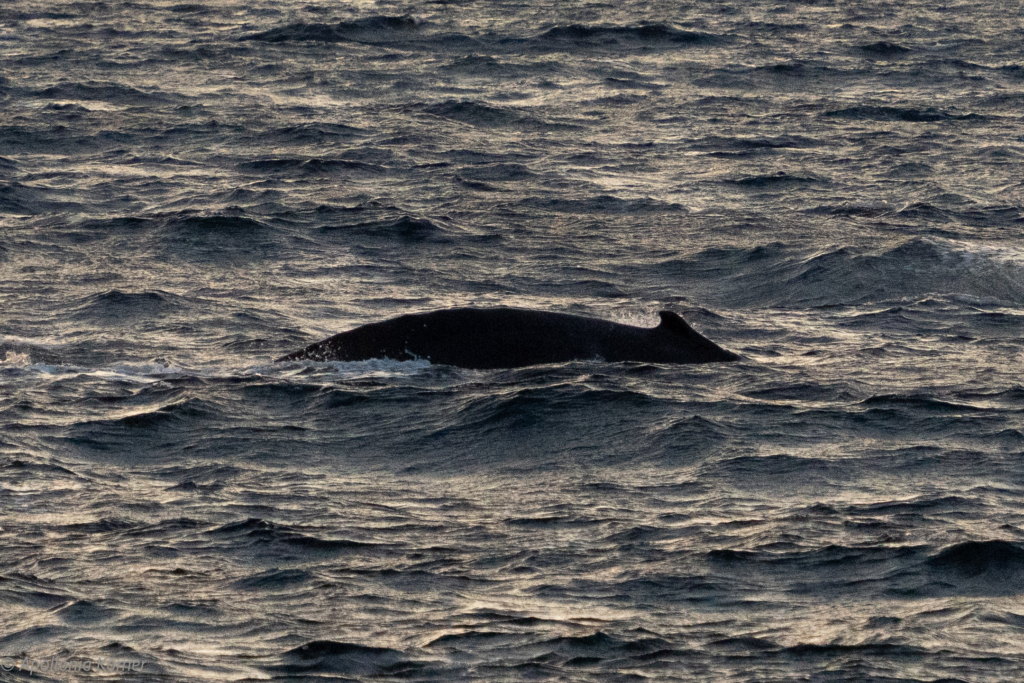
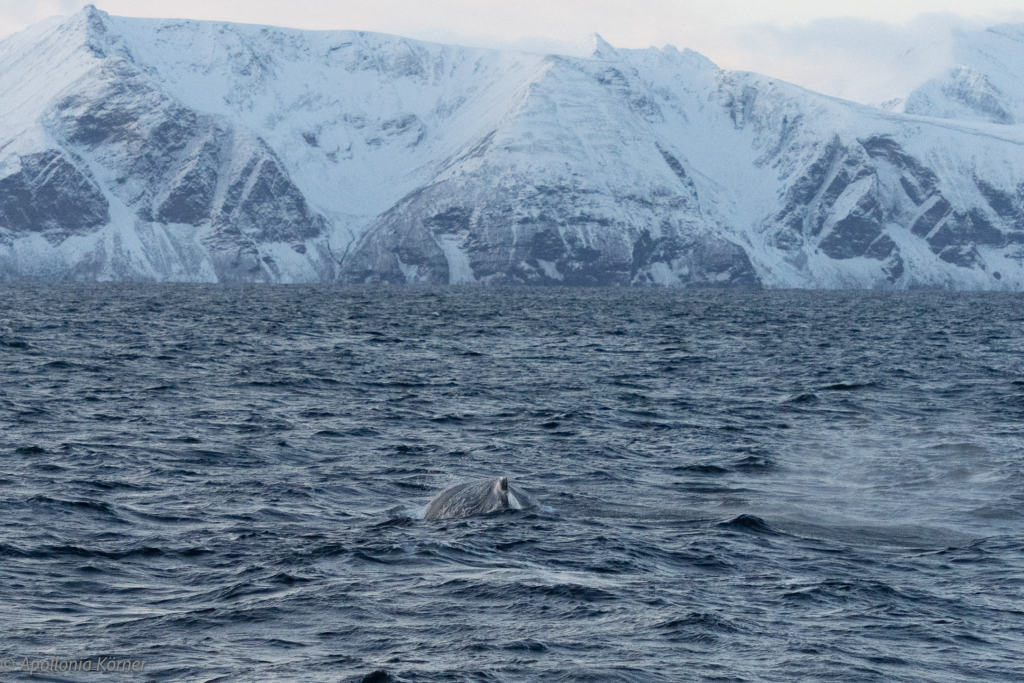
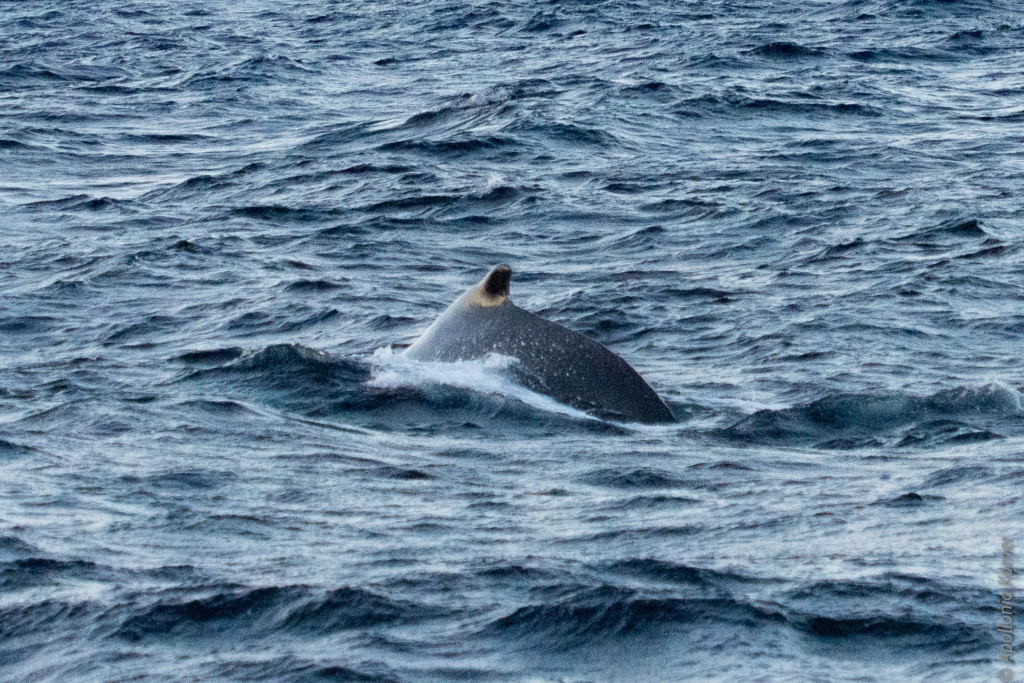
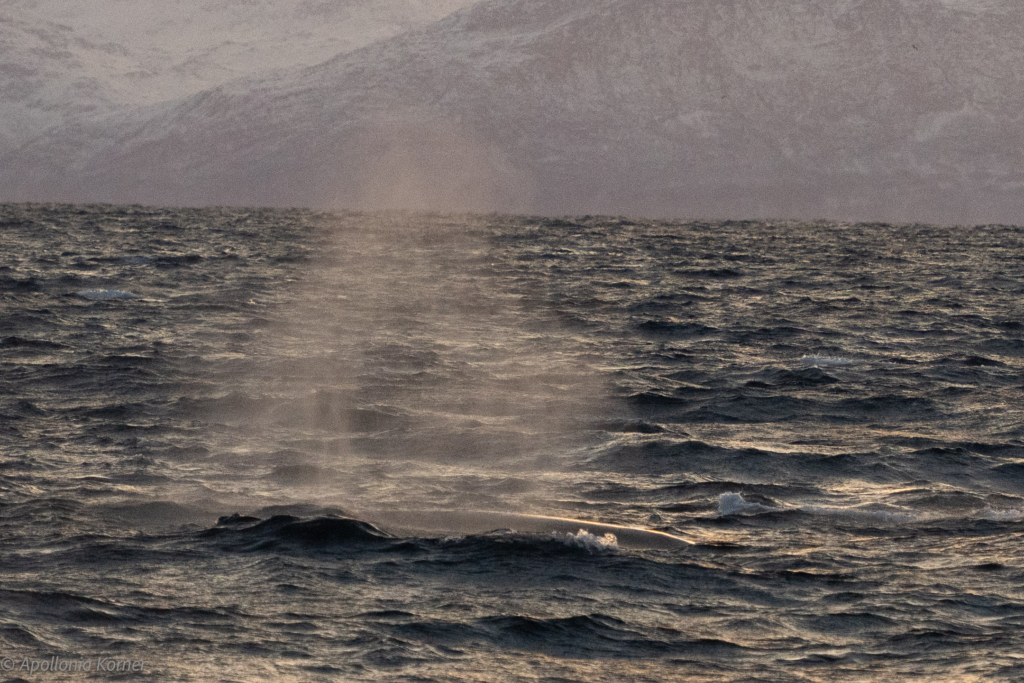
We spotted only a few fin whales, but no humpback whales. That was a pity, because humpback whales in particular can look very impressive when they breach out of the water—something I was fortunate enough to witness a few years ago.
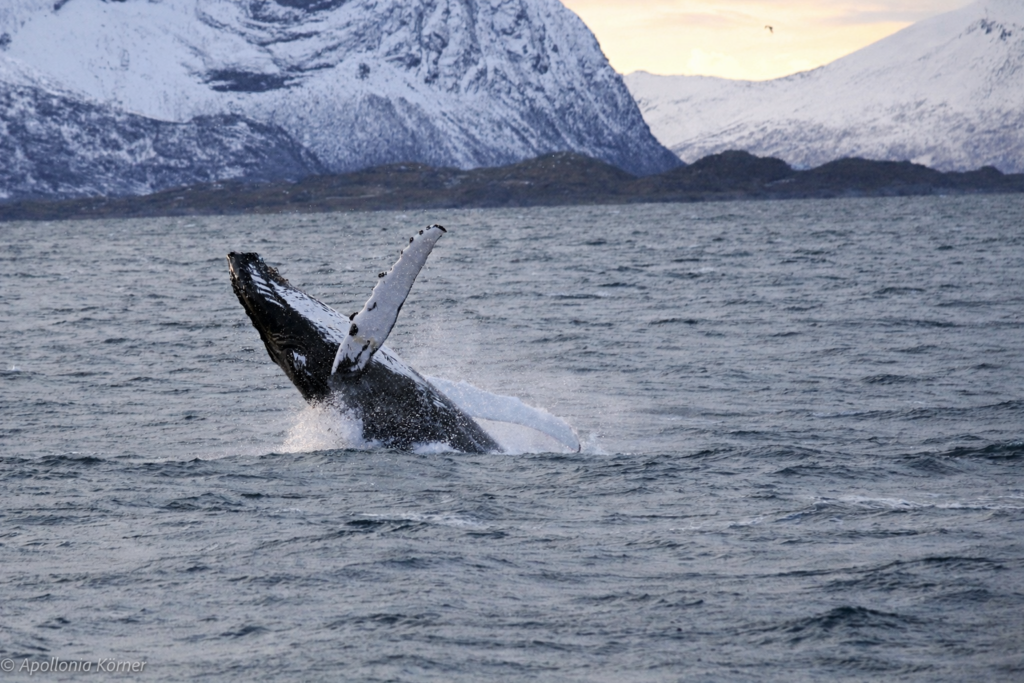
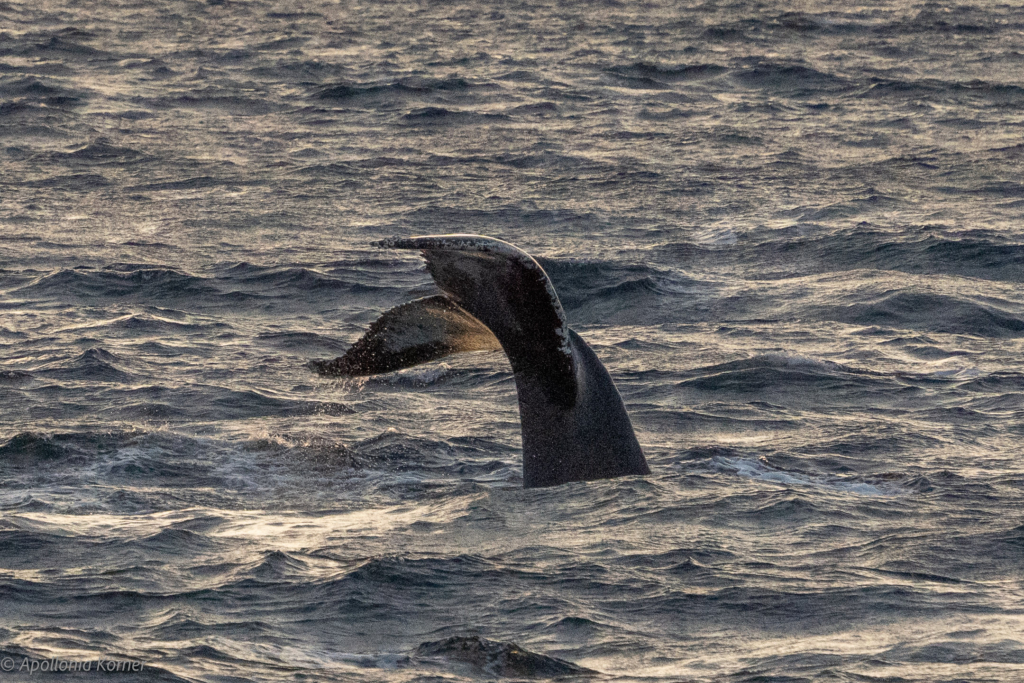
Watching whales requires patience, because often you see only the blow (the term used for a whale’s exhalation) or a glimpse of the dorsal or tail fin for a brief moment—and then they are gone again. Where they will surface next is uncertain.
Observing orcas was somewhat easier, because they swim in large family groups and interact with ships and boats more frequently than other whales. Even though their name and appearance might suggest otherwise, orcas are not “true” whales but the largest members of the dolphin family. Their original scientific name was Delphinus orca before they were placed in their own genus, Orcinus. Killer whale is also one of the most commonly used names for this species, alongside orca.
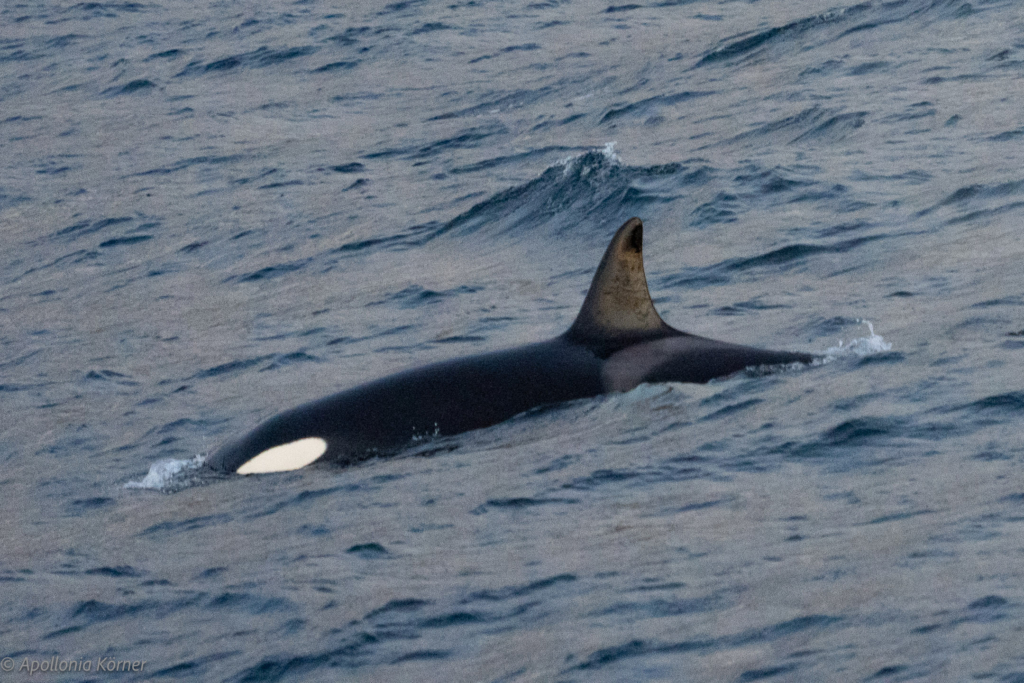
Both the names orca and killer whale hint at a dreadful monster. In ancient Rome, “orca” referred to a large sea creature or sea monster, linguistically derived from Orcus, the god of the underworld. Orcinus means “belonging to Orcus” or “whale of the underworld,” so the Latin name essentially describes killer whales as “the whale from the underworld.” Early Spanish seafarers observed orcas hunting other whales and gave them the name asesinas de ballenas which means “whale killer” in English. Over time, this was reversed to “killer whale”—a term that admittedly sounds far more intimidating, yet attributes a moral cruelty to the animals, even though their hunting behavior is part of a natural and highly specialized survival system.
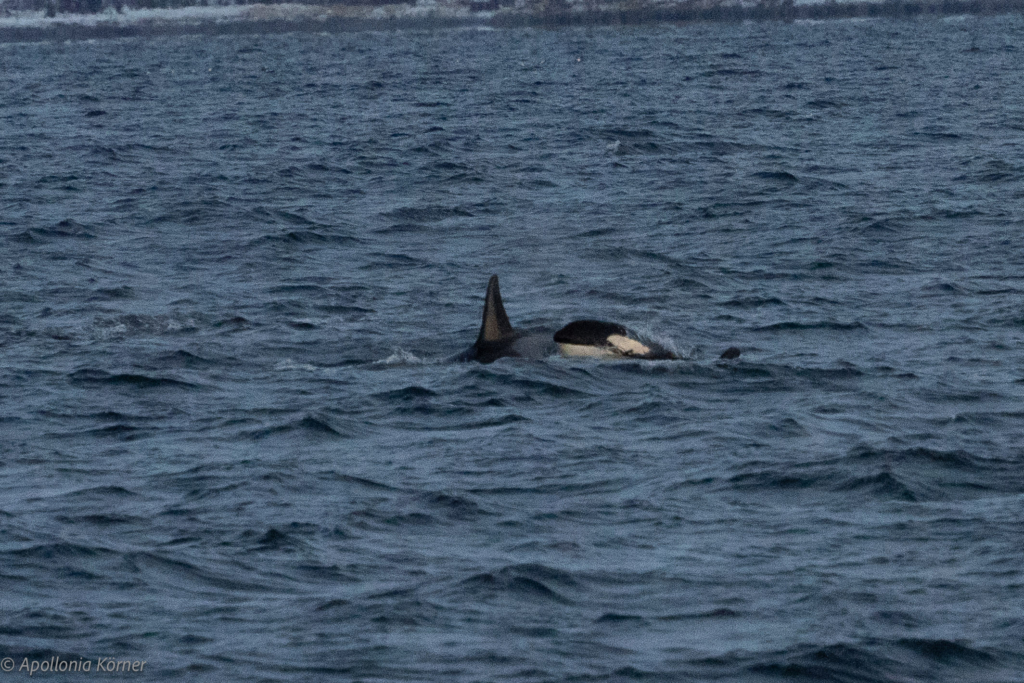
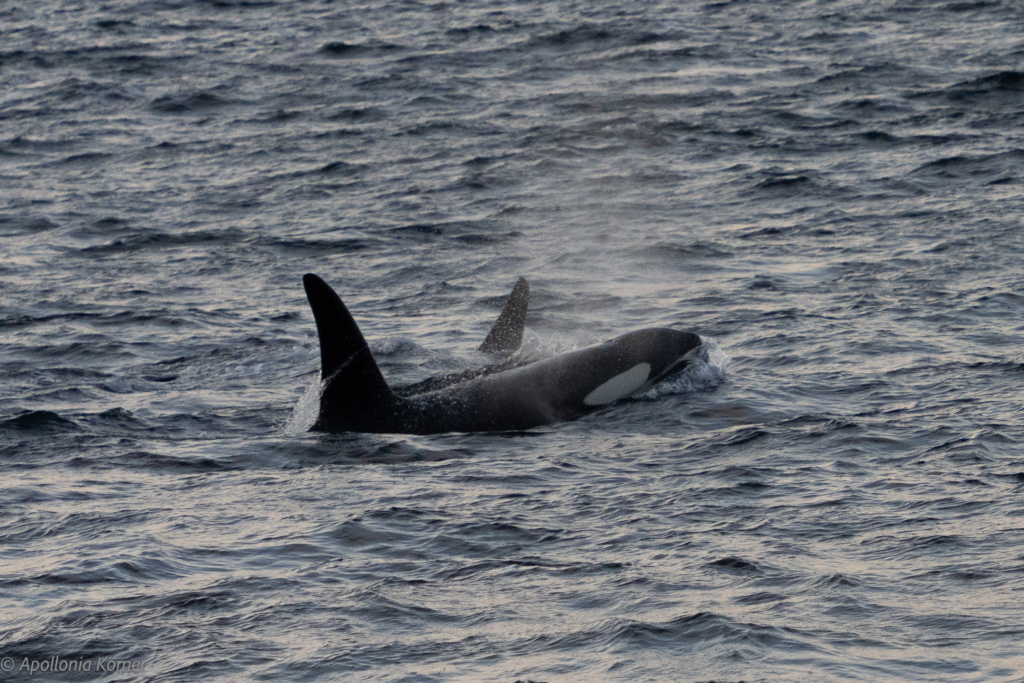
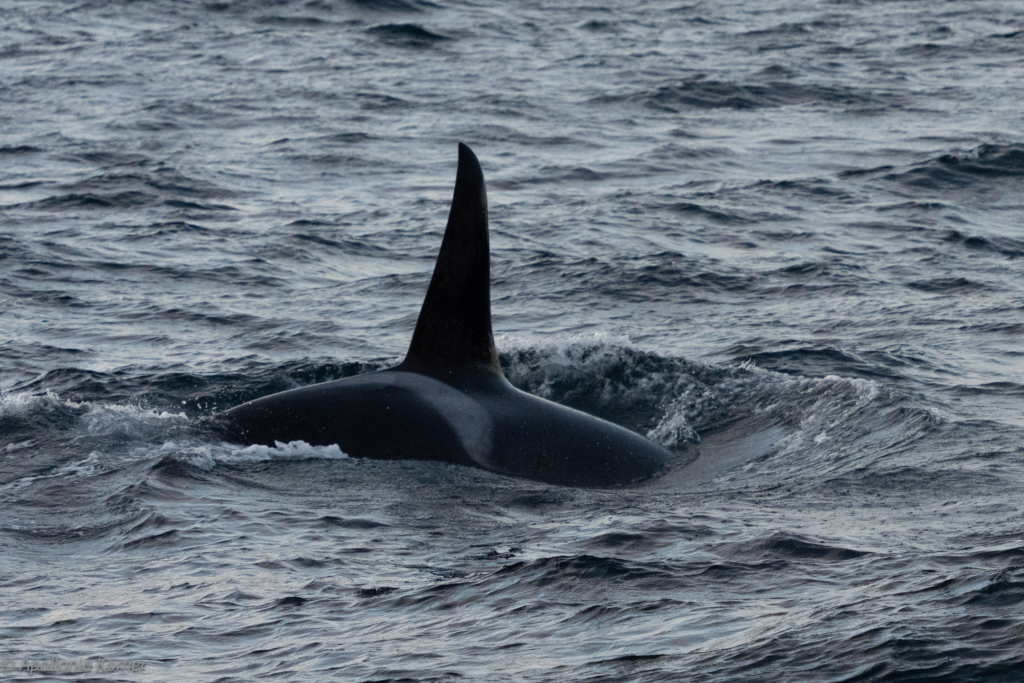
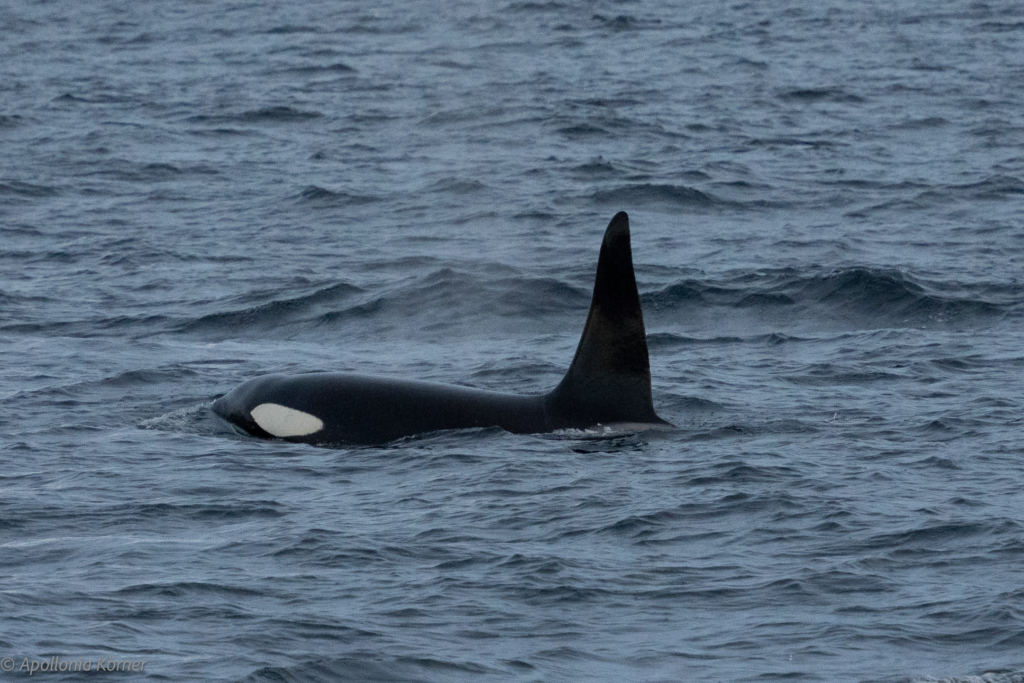
The German name Schwertwal (“sword whale”), on the other hand, refers to a morphological feature: in males, the dorsal fin can grow up to 1.8 meters tall, and because its shape resembles a sword, they were given this name.
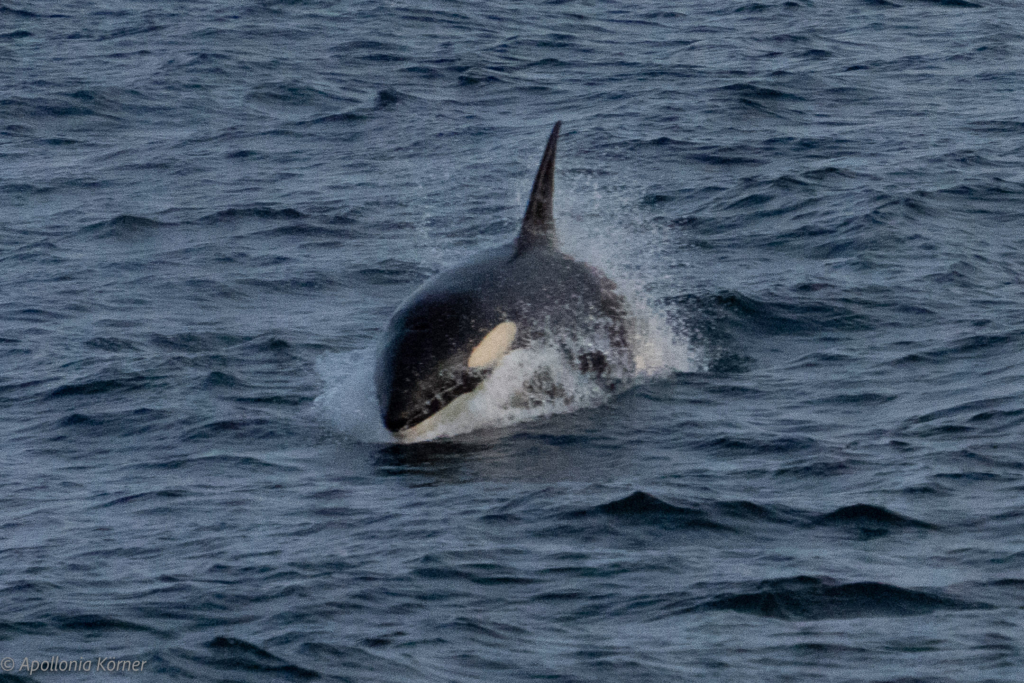
Orcas have fascinated me since childhood and were at the very top of my list of animals I hoped to observe one day in the wild. And off Skjervøy, I finally saw these fascinating giants for the first time. At first, I only heard the animals exhale. It was clearly audible, as the whales were swimming close past the ship. Then their dorsal fins appeared, and finally their characteristic black-and-white coloration became visible. The different sizes of the dorsal fins made it easy to distinguish males from females. Along the coast and in the fjords, it is easier for orcas to drive the herring together and encircle them—and apparently there were plenty of herring off Skjervøy. For several hours we were able to watch the orcas, and although after some time I could clearly feel the winter cold in my face and fingers, I observed the orcas until the fading daylight forced us to head back.
From the end of January onward, the herring schools move south along the Norwegian coast to their spawning grounds, and the whales follow them. But when, in late autumn next year, the sun once again hangs low over the fjords and bathes the landscape in warm light, the herring schools—and with them the whales—will hopefully return to this area.
P.S. Did you know that during the spawning season, the gonads of herring make up about 20% of their body weight? Applied to an 80-kilogram human, that would be 16 kilograms!