I never would have believed that my master’s degree in biology would become more than an academic journey. I thought I was just starting a degree. But as it turned out, this journey had a true adventure waiting for me.
Last autumn, the University of Tromsø had announced a very special course for which I had applied. Then came nearly three long months of anxious waiting — checking emails, hoping, doubting — until, finally, the answer arrived: I was in. It is hard to put into words what I was feeling when I opened the email in January confirming that I had been accepted into the course Arctic Future Pathfinders – A Journey Through the Northwest Passage. Of course, I felt excited, happy and overwhelmed, but deep inside me I also felt a quiet calm beneath all the excitement.
For this program, the university chartered the magnificent sailing vessel Statsraad Lehmkuhl for the leg between Nuuk in Greenland and Whittier in Alaska. The ship sails this route as part of the One Ocean Expedition — a twelve-month circumnavigation designed to raise awareness about the vital role of the oceans in creating a sustainable future. To give more students the chance to join, the journey was divided into two parts: one group sailing from Nuuk to Cambridge Bay in Canada, and the other continuing from Cambridge Bay to Whittier in Alaska, USA.
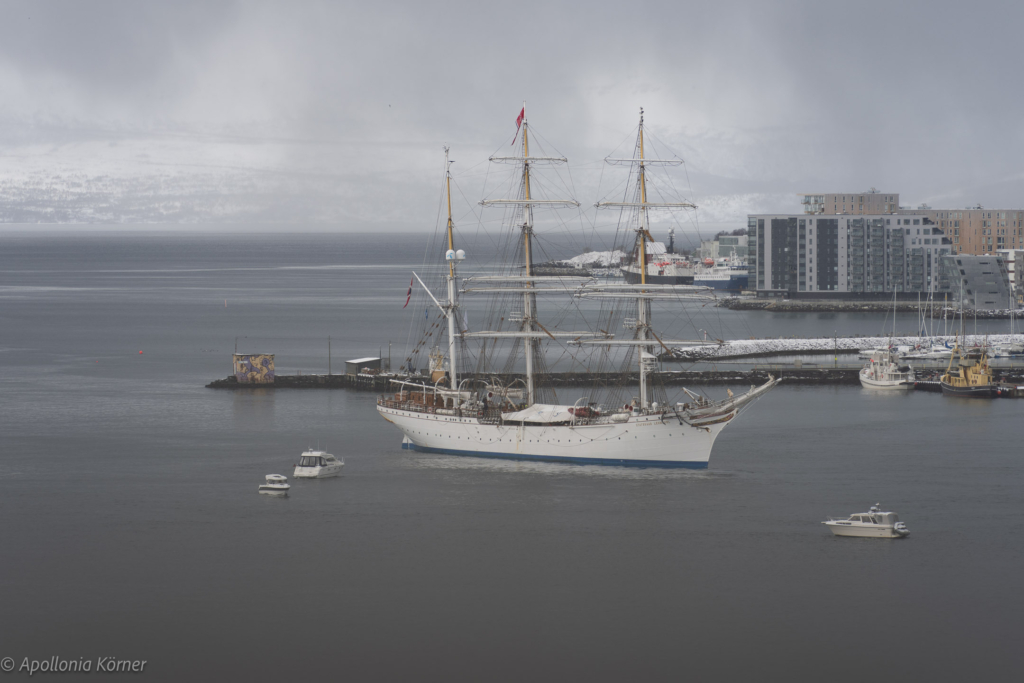
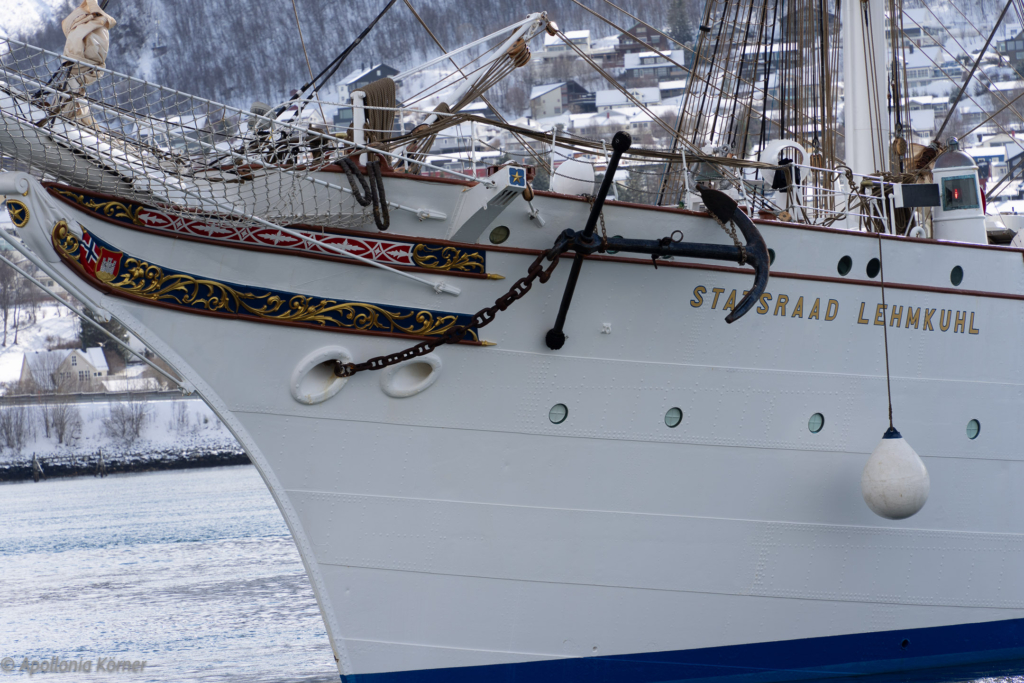
I applied for the first leg — partly because I longed to see Greenland again, and partly because I believe the first stretch of the Northwest Passage holds something especially captivating: a sense of exploration, of history, of raw Arctic mystery.
During the One Ocean Expedition, the Statsraad Lehmkuhl serves as both a research vessel and a floating university — bringing together marine biology, education, and international collaboration. When the ship docked in Tromsø at the end of April, I finally had the chance to see her up close. Standing on the deck of the ship, gazing up at her towering masts and the intricate rigging, I could already imagine what it might feel like to call this ship home for a few unforgettable weeks.
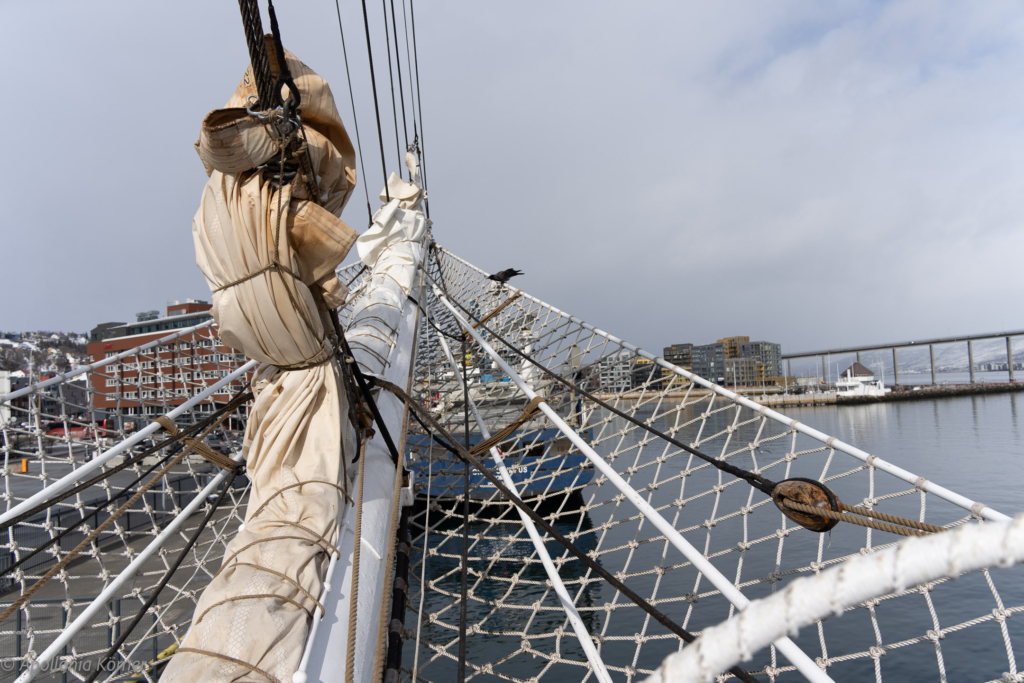
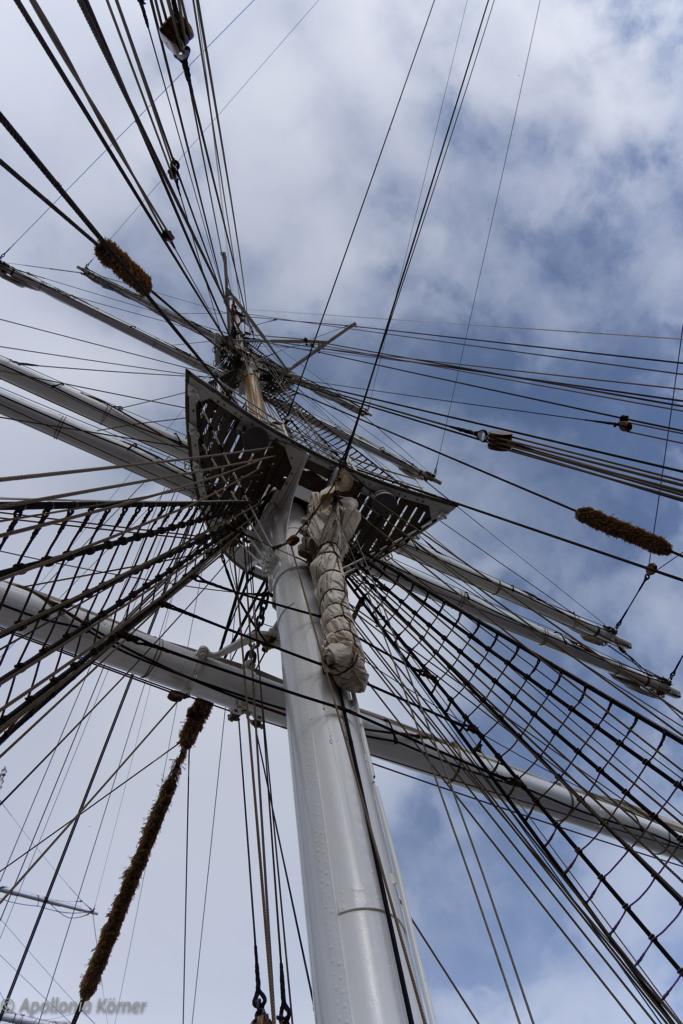
The Statsraad Lehmkuhl is a steel-hulled, three-masted barque launched in Germany in 1914 under the name Großherzog Friedrich, built as a training ship for future sailors. In 1919, it was transferred to England as part of war reparations, and a few years later, in 1923, it found its way to Norway, where the Norwegian Shipowners’ Association bought and renamed it Statsraad Lehmkuhl. During World War II, it was seized by German forces, renamed Westwärts, and used as a depot ship. Today, it sails proudly once more, operated by the Statsraad Lehmkuhl Sail Training Foundation — a living piece of maritime history that continues to inspire adventure, learning, and connection with the ocean.
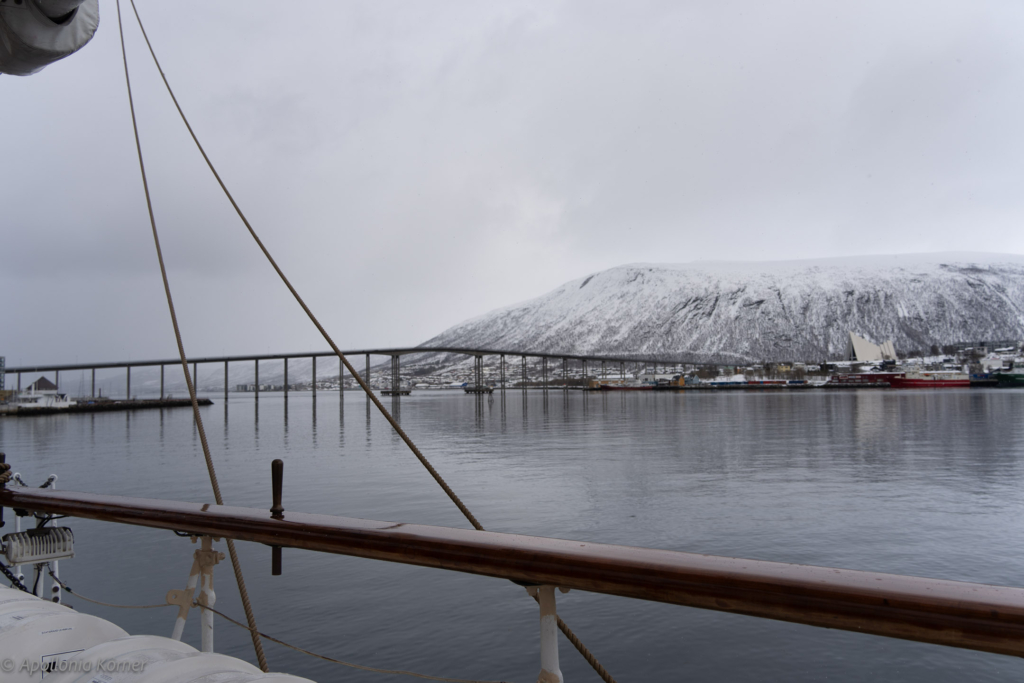
Our course won’t begin for several more months — not until early August, in Nuuk, Greenland. It feels like an eternity of waiting. But I’ll need that time to make my way through the required reading we must complete before the voyage, and to prepare myself personally for the journey ahead. Fortunately, I had no idea back then how many hurdles I would still have to overcome along the way — or the personal hardships I would have to face before setting sail.